Get Generator Installation
Generator installation services help property owners set up backup power systems for homes or businesses, handling projects like standby or portable generator setups.
If you're considering generator installation for your property, you're in the right place to explore your options. Installing a generator can provide reliable backup power, ensuring your home or business remains functional during outages. Planning such a project involves understanding different system types and finding local contractors who can help assess your needs and recommend suitable solutions. Comparing your local options allows you to identify experienced service providers capable of handling the installation efficiently and effectively.
Property owners in the area often look into generator services to enhance energy independence and safeguard essential appliances and systems. Whether you're preparing for severe weather events or seeking greater control over your power supply, working with local contractors can make the process smoother. Keep reading to learn more about how to connect with qualified professionals who can assist with your generator installation project.
- Generator installation services - needed when a property owner wants a reliable backup power source for their home or business.
- Residential generator installation - suitable for homeowners seeking to ensure continuous power during outages.
- Commercial generator setup - required by businesses that need to maintain operations during power interruptions.
- Portable generator installation - ideal for temporary or outdoor use where temporary power is needed.
- Whole-house generator systems - appropriate for those looking to power an entire home seamlessly during outages.
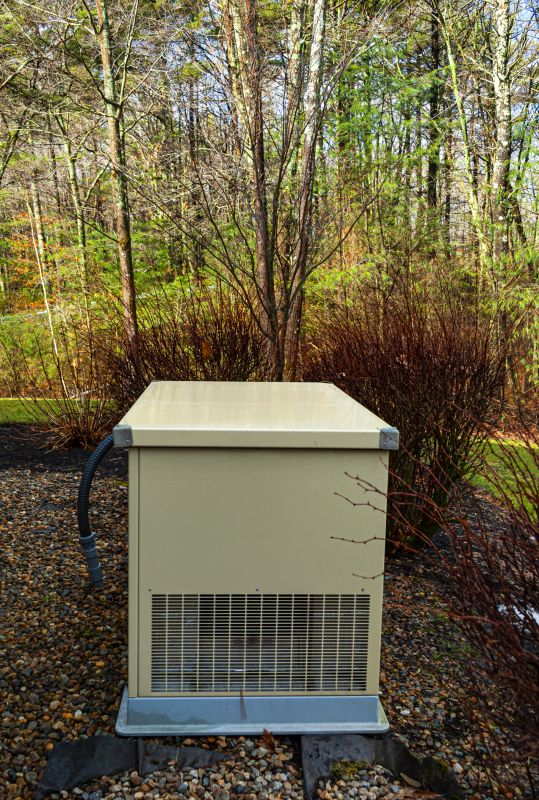
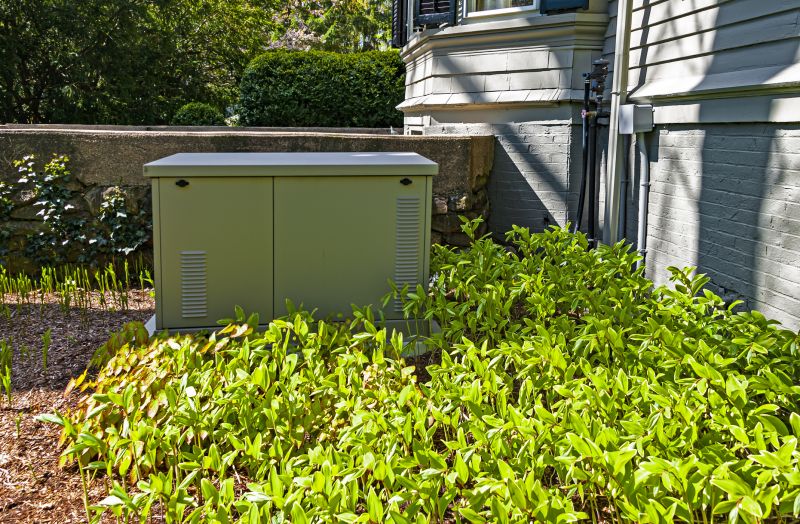
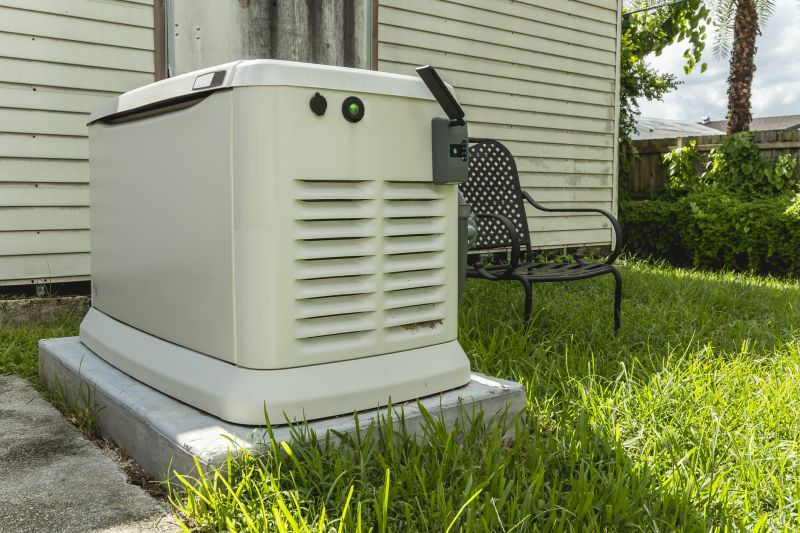
Generator installation services involve setting up a backup power source that can automatically or manually provide electricity during outages. These services typically include assessing a property's power needs, selecting the appropriate generator type, and ensuring proper placement and connection to the existing electrical system. Skilled contractors handle all aspects of the installation process, making sure the generator operates safely and efficiently while complying with local electrical codes and standards. Proper installation is essential to ensure reliable backup power when it’s needed most, especially during severe weather events or unexpected outages.
Many common problems can be addressed through generator installation. Homes and businesses that experience frequent power interruptions or live in areas prone to storms benefit from having a dependable backup power source. Without a generator, power outages can disrupt daily routines, spoil perishable food, and impact essential appliances or medical equipment. Installing a generator helps mitigate these issues by providing a steady supply of electricity, reducing downtime, and offering peace of mind. Additionally, generator services can help resolve issues related to inadequate electrical capacity or outdated wiring that may not support modern backup solutions.
Generator installation is often sought by a variety of property types. Residential homes, especially those in rural or storm-prone regions, frequently rely on generators to maintain power during outages. Small businesses and commercial properties also utilize generators to keep operations running smoothly, avoiding disruptions that could impact revenue or customer service. Larger properties, such as multi-family complexes or institutional facilities, may require more extensive generator systems to ensure continuous power across multiple units or critical areas. Overall, any property that depends on electricity for safety, security, or daily functioning might consider generator installation as a valuable addition.
Local contractors who specialize in generator installation can provide tailored solutions to meet specific needs. They evaluate the property’s size, power requirements, and layout to recommend the most suitable generator type and capacity. Whether it’s a portable unit for temporary backup or a standby system designed to automatically activate during outages, these service providers ensure the installation is handled correctly and efficiently. Contacting experienced local pros can help property owners find the right generator solution to enhance reliability and preparedness, making sure the property remains functional no matter what happens to the power grid.
The overview below groups typical Generator Installation projects into broad ranges so you can see how smaller, mid-sized, and larger jobs often compare in your area.
In many markets, a large share of routine jobs stays in the lower and middle ranges, while only a smaller percentage of projects moves into the highest bands when the work is more complex or site conditions are harder than average.
Smaller Repairs - Typical costs for routine generator repairs or minor installations usually fall between $250 and $600. Many local contractors handle these smaller projects efficiently within this range, though prices can vary based on specific needs.
Basic Installation - Installing a standard generator system generally costs between $2,000 and $4,000. This range covers common models and straightforward setups, with fewer projects exceeding $5,000 for more complex configurations.
Full System Replacement - Replacing an existing generator with a new, higher-capacity model can range from $4,000 to $10,000 or more. Larger, more intricate projects involving electrical upgrades tend to push costs into the higher end of this spectrum.
Custom or Commercial Setups - Custom generator installations for commercial or large residential properties often start around $10,000 and can exceed $20,000 depending on size and complexity. Many projects fall into mid-range budgets, with fewer reaching the highest tiers.
Actual totals will depend on details like access to the work area, the scope of the project, and the materials selected, so use these as general starting points rather than exact figures.
Electrical Panel Upgrades - Professionals who install generators often also handle electrical panel upgrades to ensure proper power distribution and safety.
Backup Power System Installation - Installing backup power solutions like battery systems complements generator setup, requiring similar planning and electrical work.
Home Wiring and Rewiring - Skilled electricians can perform wiring and rewiring projects that support generator integration and overall electrical system improvements.
Transfer Switch Installation - Proper installation of transfer switches is essential for safe and efficient generator operation, requiring specialized electrical knowledge.
Outdoor Electrical Outlet Installation - Setting up outdoor outlets for generator connections involves planning, wiring, and safety considerations similar to generator installation.
Electrical System Inspections - Inspecting existing electrical systems ensures compatibility and safety when adding a generator or related components.
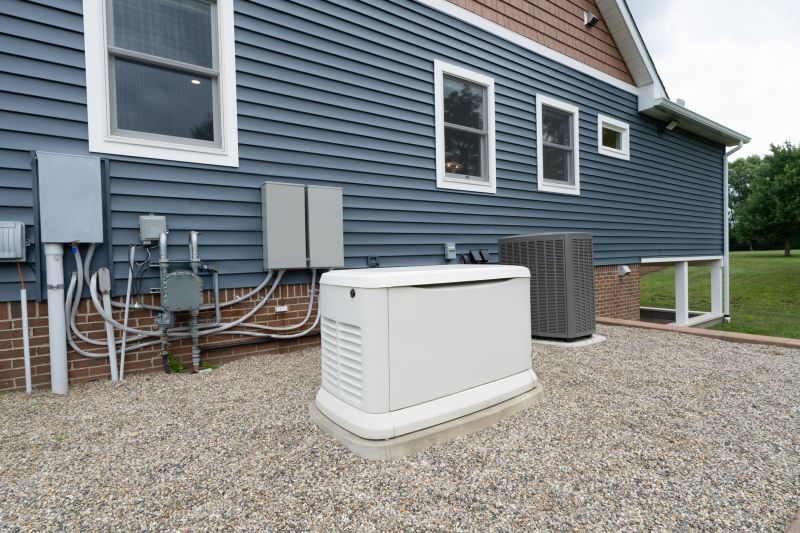
When evaluating potential service providers for generator installation, it’s important to consider their experience with similar projects. Look for local contractors who have a proven track record of completing generator installations comparable to your needs. An experienced professional will be familiar with the specific requirements of your property and can anticipate potential challenges, helping to ensure a smooth and efficient process.
Clear, written expectations are essential when choosing a generator installation service. Reputable providers should be able to offer detailed descriptions of the scope of work, materials to be used, and the steps involved in the installation process. Having this information in writing helps establish mutual understanding and provides a reference point throughout the project, reducing the likelihood of misunderstandings or surprises.
Good communication and reputable references are key indicators of a reliable service provider. Local contractors who are responsive, transparent, and willing to share references from past clients demonstrate professionalism and accountability. Contactting references can provide insights into the contractor’s reliability, quality of work, and ability to meet deadlines. Remember, the goal is to connect with experienced local pros who can handle the installation effectively, not to perform the work directly.
Property owners use Generator Installation services for practical projects around their homes and businesses. This guide focuses on everyday jobs and straightforward project options.
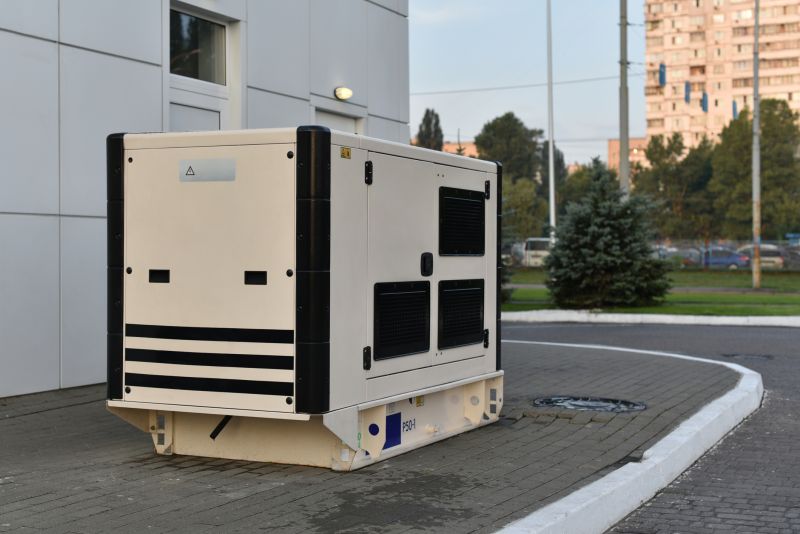
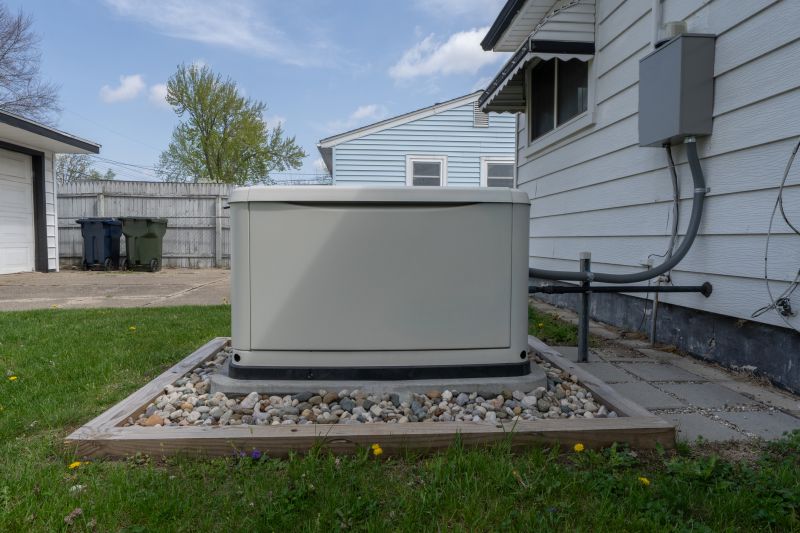
Generator installation services are often needed when property owners experience frequent power outages or want to ensure a reliable energy source during storms and severe weather. Additionally, new construction projects or renovations may require the addition of a backup power system to keep essential appliances and equipment running smoothly. Local contractors can help assess the specific needs of a property and recommend the right generator size and type to meet those requirements efficiently.
Property owners might also seek generator installation when upgrading an existing system or replacing an outdated unit that no longer functions properly. In some cases, businesses and homeowners want to improve energy resilience for critical operations or comfort. Local service providers are available to handle these projects, offering professional installation to help ensure the system operates safely and effectively.
What should I consider before installing a generator? It's important to assess your power needs, the location for installation, and any local building codes that may apply. Consulting with local contractors can help determine the best options for your property.
Can I install a generator myself or should I hire a professional? Generator installation involves complex electrical work and safety considerations, so hiring experienced local contractors is recommended to ensure proper setup and compliance.
What types of generators are available for home use? There are portable and standby generators, each suited for different needs. Local service providers can help identify which type is appropriate for your situation.
How do I determine the right size generator for my home? The size depends on your household's power requirements and the appliances you want to run. Consulting with local pros can help evaluate your needs and recommend suitable options.
What is involved in the process of installing a generator? Installation typically includes site preparation, electrical connections, and safety inspections. Local contractors can handle each step to ensure a professional and compliant setup.
Emergency Power Backup - Property owners can install a generator to ensure essential appliances and systems stay operational during power outages.
Remote Power Supply - Installing a generator provides reliable electricity for outdoor workshops, garages, or sheds away from main power sources.
Event or Seasonal Power Needs - Generators can support temporary power for outdoor gatherings, holiday lighting, or seasonal equipment.
Energy Independence - A generator setup allows property owners to reduce reliance on the grid and maintain power during utility disruptions.
If you are thinking about Generator Installation for a property, this guide is meant to help you understand the work, the typical project types, and how different options might fit your plans.
When you are ready, you can use the quote form on this page to share a few details about your project. From there, local pros can review the basics and respond with options that match what you have in mind.